PCEs & Resilience: Countering High ACE Scores
Childhood experiences shape us, but they don’t have to define us. For those with high ACE scores, the path forward lies in resilience.
This guide is about another story. It’s about Positive Childhood Experiences (PCEs) and the incredible power of resilience. We will explore how positive factors can create a powerful buffer against the effects of early adversity. Understanding this balance is the first step toward healing and building a thriving future, no matter what your past holds. If you're ready to understand your own story, you can take the first step on our secure platform.
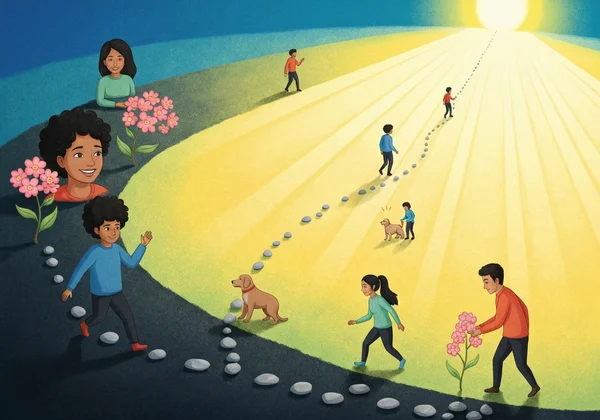
Understanding Positive Childhood Experiences (PCEs) & Their Resilience Power
While the conversation around ACEs is crucial for understanding risk, it's only half the picture. The other half is about the strengths and supports that help us grow. This is where Positive Childhood Experiences, or PCEs, come into play.
What Exactly Are PCEs and Why Do They Matter?
PCEs are the positive, supportive, and relationship-building experiences that help a child feel safe and connected. Research has identified several key PCEs that are strongly linked to better adult mental and physical health. These experiences aren't about having a "perfect" childhood; they are about having enough positive buffers to foster healthy development.
Key examples of PCEs include:
- Feeling able to talk to your family about your feelings.
- Feeling your family stood by you during difficult times.
- Enjoying participation in community traditions.
- Feeling a sense of belonging in high school.
- Feeling supported by friends.
- Having at least two non-parent adults who took a genuine interest in you.
- Feeling safe and protected by an adult in your home.
These experiences matter because they build a foundation of security and self-worth. They teach us that the world can be a safe place and that we are capable of forming healthy bonds with others. They are the building blocks of resilience.

The Science of PCEs: How They Buffer Against Trauma's Effects
To understand how PCEs work, it helps to first understand the concept of toxic stress. Children facing frequent or prolonged adversity often lack adult support. This can keep their stress response systems constantly activated. This is "toxic stress," and it can impact brain development, immune function, and long-term health.
PCEs act as a powerful antidote. Positive relationships and supportive environments help regulate this stress response. When a child feels safe and supported, their brain can develop healthy neural pathways for emotional regulation, problem-solving, and trust.
Think of it like this: ACEs can wear down your emotional and physiological defenses. PCEs, on the other hand, build them up. They provide the tools your brain and body need to manage stress effectively. This creates a shield that buffers you from the most harmful effects of trauma.
Actionable Strategies for Building Resilience After Trauma
The great news is that resilience isn't something you're born with—it's something you can build, at any age. Even if you didn't have many PCEs in childhood, you can actively cultivate similar positive experiences in your adult life. This is a core part of building resilience after trauma.
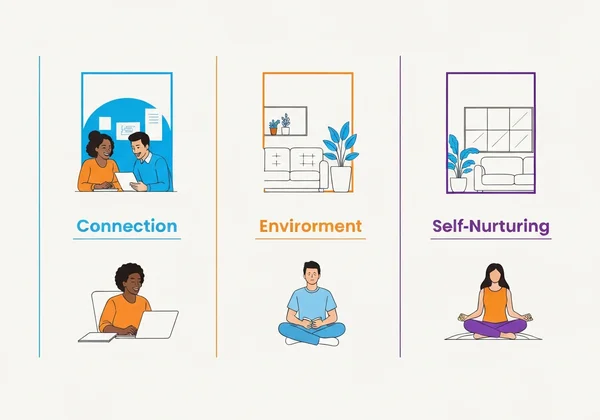
Cultivating Connection: Strengthening Relationships
Healthy relationships are the cornerstone of resilience. Humans are wired for connection, and feeling seen, heard, and supported is vital for healing.
- Identify Your Support System: Make a list of people in your life who make you feel good. This could be a friend, a family member, a partner, or a mentor. Make an effort to connect with them regularly.
- Join a Community: Find a group that shares your interests, whether it’s a book club, a sports team, a volunteer organization, or a support group. A sense of belonging is a powerful PCE you can create for yourself.
- Seek Professional Help: A therapist or counselor can provide a safe, non-judgmental space to process your experiences and develop healthy coping skills.
Mastering Your Environment: Creating Safe & Supportive Spaces
Your physical and social environment has a huge impact on your well-being. Creating a sense of safety and stability is a practical way to counteract the chaos that may have defined your childhood.
- Create a Safe Haven: Make your home a place of peace and comfort. This could be as simple as decluttering a room, adding plants, or creating a cozy corner for relaxation.
- Set Healthy Boundaries: Learn to say "no" to people and situations that drain your energy or make you feel unsafe. Protecting your peace is not selfish; it’s essential for healing.
- Spend Time in Nature: Research shows that spending time outdoors can reduce stress, improve mood, and restore your sense of calm.
Nurturing Your Inner Self: Practices for Self-Regulation & Hope
Building resilience also involves developing your inner resources. These are the practices that help you manage difficult emotions and cultivate a sense of hope for the future.
-
Practice Mindfulness: Simple mindfulness exercises or meditation can help you stay present and calm your nervous system. Even a few minutes of focused breathing each day can make a difference.
-
Start a Journal: Writing down your thoughts and feelings can be a powerful way to process them. You can also use a journal to focus on gratitude and acknowledge the good things in your life.
-
Engage in Hobbies: Rediscover activities you love or try something new. Creative and physical outlets are excellent ways to manage stress and build self-esteem.
Understanding your past is a key part of this journey. To gain clear insight, you can start your test and see where you stand.
How PCEs Actively Counteract High ACE Scores
The relationship between PCEs and ACEs isn't just about addition and subtraction. It’s about transformation. Actively cultivating positive experiences can fundamentally change how your past affects your present and future.
Shifting the Narrative: From Victimhood to Empowerment
A high ACE score can leave you feeling like your life is predetermined by your past trauma. It can create a narrative of being a victim—powerless and broken. Introducing PCEs helps you rewrite that story.
Focus on building connections and creating safety. Nurture yourself daily. These steps let you actively heal. You prove to yourself, day by day, that you have agency. Your past is a part of your story, but it does not have to be the defining chapter. This shift from a passive victim to an active survivor is incredibly empowering and is central to how you counteract an ACE score with PCEs.
Practical Exercises to Integrate PCEs into Adult Life
You can begin integrating the spirit of PCEs into your life today with these simple exercises:
-
Identify a "Secure Base": Think of one person in your life you can count on. Reach out to them this week, not to talk about anything heavy, but just to connect. A simple text or a quick call reinforces that you are supported.
-
Acknowledge a "Community Win": Notice a positive interaction you had with someone in your community—a friendly chat with a barista, a neighbor who said hello. Acknowledge this small moment of belonging.
-
Practice Self-Compassion: The next time you make a mistake, consciously speak to yourself with the kindness you would offer a good friend. This builds the internal feeling of safety and protection that may have been missing in childhood.
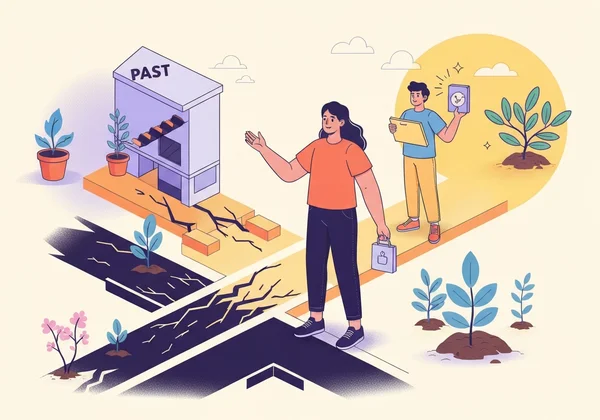
Measuring Progress: Recognizing Growth & Sustaining Change
Healing isn't a linear process; it has ups and downs. It’s important to recognize and celebrate your progress along the way.
Notice the small victories. Did you set a boundary you were previously afraid to? Did you calm yourself down during a moment of stress using a breathing technique? Did you reach out to a friend when you felt lonely?
Each of these moments is evidence of your growing resilience. Keep a log of these wins in a journal. Over time, you’ll see a clear pattern of growth, which will give you the motivation to continue on your journey of healing and change.
Embrace Your Journey: Building a Resilient Future
Your ACE score is not your destiny. It is a piece of information that can illuminate your past and empower your future. By understanding the profound impact of Positive Childhood Experiences, you unlock a new path forward—one defined not by adversity, but by your capacity for resilience.
The journey of healing begins with a single, courageous step: awareness. By building connections, creating safety, and nurturing your inner self, you are actively writing a new, more hopeful chapter for your life.
Ready to understand your own story? Take the free ACE test now to discover your starting point and begin your path toward a more resilient future.
Frequently Asked Questions About ACEs, PCEs, and Healing
Can you recover from a high ACE score?
Yes, absolutely. A high ACE score indicates a higher risk for certain challenges, but it does not determine your future. The human brain has an incredible capacity for healing. By building resilience through positive relationships, professional support, and self-care practices, you can mitigate the effects of childhood adversity and lead a healthy, fulfilling life.
How to heal from childhood trauma?
Healing from childhood trauma is a personal journey that often involves several components. Key strategies include seeking therapy with a trauma-informed professional, building a strong support system of trusted friends and family, practicing self-regulation techniques like mindfulness, and creating a safe and stable living environment. It's a process of rediscovering safety, both in the world and within yourself.
What is a toxic stress response?
Toxic stress arises when adversity is intense or ongoing. Without support, this stress reshapes brain development and health. This disrupts the development of brain architecture and other organ systems, leading to a prolonged "fight-or-flight" state. This state increases the risk for stress-related physical and mental illness later in life.
What does my ACE score mean?
Your ACE score is a number from 0 to 10 that reflects how many of the 10 types of Adverse Childhood Experiences you were exposed to before age 18. It is a tool for awareness, not a diagnosis. A higher score is linked to a higher statistical risk for various health and social problems in adulthood. To understand your specific score and what it means for you, you can take our confidential test and receive a clear, science-based explanation.