ACEs and the Brain: Rewiring After Childhood Trauma
Have you ever wondered why some people react more strongly to stress than others? Or why certain memories from years ago still feel like they happened yesterday? Many of us carry invisible patterns in our minds that started long before we were adults. These patterns often stem from our earliest environments and the experiences we had as children.
What is the hidden link between your past and your brain's health? Science shows that our childhood experiences physically shape the way our brains are built. When those experiences are difficult or traumatic, they are known as Adverse Childhood Experiences, or ACEs. Understanding your history is the first step toward a healthier future. You can start your test today to discover your own score and begin making sense of your unique journey.
This article explores how ACEs shape brain development and, more importantly, how you can harness neuroplasticity to heal and rewire your mind for a brighter future.
Understanding ACEs and the Developing Brain
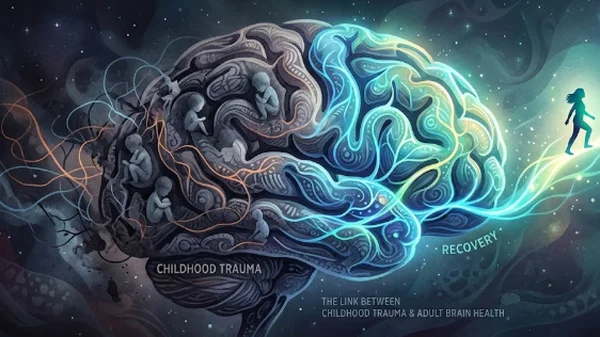
The term "ACEs" comes from a landmark study by the CDC and Kaiser Permanente. It refers to ten specific types of childhood trauma, including abuse, neglect, and household dysfunction. These events do more than cause emotional pain. They act as a blueprint for the developing brain. When a child grows up in a safe, stable home, their brain focuses on learning and social growth. However, if that environment is filled with fear, the brain prioritizes survival over everything else.
The Critical Periods of Brain Development
The human brain does not finish growing until a person reaches their mid-twenties. However, the most critical "construction" happens between birth and age eighteen. During these years, the brain is incredibly "plastic." This means it is highly sensitive to the world around it. It creates billions of connections called synapses every single second.
Think of the brain as a house under construction. The early years are when the foundation is poured and the frame is put up. If the foundation is solid, the house can withstand a storm. But if the foundation is laid during a period of constant "earthquakes"—such as neglect or household violence—the entire structure becomes less stable. ACEs occurring during these windows can change how the brain processes information for the rest of a person's life.
How ACEs Disrupt Normal Brain Architecture
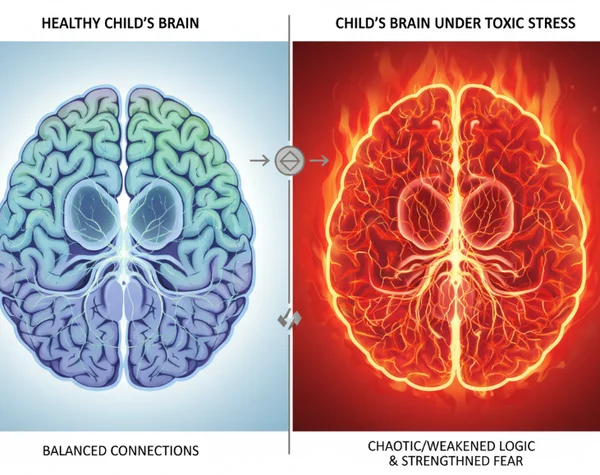
When a child experiences repeated trauma, their body stays in a state of high alert. This is known as toxic stress. Unlike "positive stress," which helps us grow, toxic stress is constant and overwhelming. It floods the developing brain with powerful hormones like cortisol and adrenaline.
Normally, these hormones help us escape danger. But when they're present every day, they damage the brain's architecture. They weaken connections in areas responsible for logic and memory while strengthening areas related to fear. This means that even after a child grows up and leaves the stressful environment, their brain might still behave as if constantly in danger.
The Neurological Impact of ACEs: Brain Structure and Function Changes
Childhood trauma changes more than just your mood; it changes the physical landscape of your brain. Researchers using MRI scans have found clear differences in the brain structures of adults who had high ACE scores as children. These changes affect how we process emotions, how we remember events, and how we handle everyday pressure.
Stress Response System Alterations
The most significant change occurs in the HPA axis. This is the body’s central "command center" for stress. In a healthy brain, the HPA axis turns on when there is a threat and turns off when the threat is gone. In someone with a history of ACEs, this system can get "stuck" in the "on" position.
This means you might feel a "fight, flight, or freeze" response even when there is no real danger. A small disagreement at work or a loud noise might trigger a massive wave of anxiety. This is not a lack of willpower. It is a physical response from a stress system that was trained to stay hyper-vigilant to ensure safety during childhood. To see if your current stress levels might be linked to your past, you can take the test and get your results instantly.
Brain Region Impacts: From Amygdala to Prefrontal Cortex
Trauma tends to affect three main areas of the brain:
- The Amygdala: This is the brain's "smoke detector." In people with high ACE scores, the amygdala is often overactive or even larger. It scans constantly for threats, leaving the person feeling "edgy" or reactive.
- The Hippocampus: This area is responsible for learning and memory. Toxic stress can actually shrink the hippocampus. This makes it harder to process emotions and distinguish between a past memory and a present reality.
- The Prefrontal Cortex: This is the "CEO" of the brain. It handles decision-making and emotional control. ACEs can reduce the gray matter in this area. This makes it harder to calm yourself down when you are upset.
Neurotransmitter and Chemical Imbalance
Beyond structure, ACEs change the brain's chemistry. Chronic stress interferes with the production of "feel-good" chemicals like dopamine and serotonin. Dopamine is linked to reward and motivation, while serotonin helps regulate mood and sleep.
When these chemicals are out of balance, a person may be more prone to depression, anxiety, or even addiction. Many people who struggle with these issues do not realize that their brain chemistry was altered decades ago. Understanding this connection is vital because it removes the shame often associated with mental health struggles. It is not a character flaw. It is a biological adaptation to a difficult environment.
Rewiring Your Brain: Neuroplasticity and Healing Strategies
The most important thing to know is that your brain is not "broken." It is adapted. And because the brain is plastic, it can adapt again. This concept is called neuroplasticity—the brain’s amazing ability to form new neural pathways and reorganize itself, even in adulthood.
Understanding Neuroplasticity in Adults
For a long time, scientists thought the brain was "set in stone" after childhood. We now know this is false. While it takes more effort to change an adult brain, it is entirely possible. Every time you learn a new skill, practice a new habit, or engage in therapy, you are physically changing your brain.
Think of your brain like a forest with well-worn paths. Trauma created deep, muddy trenches that are easy to fall into. Healing involves walking a new path over and over again until it becomes the easier route to take. With time and practice, the "fear paths" can shrink, and the "calm paths" can grow stronger.
Evidence-Based Practices for Brain Healing
How do you start this rewiring process? Several science-backed methods can help:
- Therapy: Methods like CBT (Cognitive Behavioral Therapy) or EMDR are designed to help the brain process old trauma and create new associations.
- Healthy Relationships: Safe, supportive connections with others can lower cortisol levels and help the brain feel secure.
- Physical Activity: Exercise boosts the production of BDNF (Brain-Derived Neurotrophic Factor). This acts like "Miracle-Gro" for new brain cells.
- Sleep Hygiene: The brain cleans itself and processes emotions during deep sleep.
If you are looking for a place to start your journey of self-discovery, you can try our tool to see how your history might be influencing your present.
Mindfulness and Meditation: Rewiring Neural Pathways
Mindfulness is one of the most powerful tools for neuroplasticity. When you practice mindfulness, you are training your Prefrontal Cortex to observe your Amygdala without reacting. Research shows that just eight weeks of regular meditation can physically shrink the amygdala and thicken the prefrontal cortex.
By learning to stay in the present moment, you teach your brain that the "danger" of the past is no longer happening. This creates a "top-down" regulation where your logical brain regains control over your emotional brain.
Your ACE Test Results: Connecting the Science to Your Score
Knowing your ACE score is like having a map of your internal landscape. It doesn't tell you who you are, but it explains why some parts of the journey have been harder for you than for others.
What Your ACE Score Reveals About Your Brain
Your score ranges from 0 to 10, based on the ten categories of childhood trauma. Higher scores typically correlate with increased risk for health problems later in life. For instance, people with a score of 4 or higher are more likely to develop chronic stress-related illnesses.
However, your score is just a starting point. It helps you identify that your "smoke detector" might be set too high. When you see your results, you gain the clarity needed to talk to a doctor or therapist about targeted strategies for your specific neurological needs. We also offer an optional AI-enhanced report that gives you even deeper insights into your personal strengths and challenges.
The Resilience Factor: How Some High-ACE Brains Thrive
It is important to remember that an ACE score is not a destiny. Many people with high scores go on to live incredibly successful and happy lives. This is due to "resilience factors." Resilience is the ability to "bounce back" from adversity.
Resilience is often built through "Positive Childhood Experiences" (PCEs). These include having one supportive adult who cared for you or feeling a sense of belonging in school. Even if you didn't have those as a child, you can build resilience now by fostering self-compassion and seeking professional support. Your brain’s ability to heal is often much stronger than the trauma it experienced.
Taking the Next Step in Your Brain Health Journey
When you understand the science of ACEs and the brain, the conversation shifts from "What is wrong with me?" to "What happened to me?" This shift forms the foundation of true healing. While childhood trauma can disrupt brain architecture and chemistry, the power of neuroplasticity offers a path forward. You can rewire your brain, calm your stress response, and build a life full of resilience and joy.
Healing starts with awareness. By quantifying your past experiences, you empower yourself to take control of your future health. Whether you are a "Self-Explorer" seeking growth or a "Health-Conscious Individual" managing risks, knowing your score is an essential step.
Are you ready to understand your story? Take the ACE test now. It is free, confidential, and takes only a few minutes. Let this be the day you begin to rewire your brain and make your life richer.
Frequently Asked Questions About ACEs and Brain Health
Can childhood trauma permanently damage my brain?
While ACEs can change brain structure, the word "permanent" is misleading. Because of neuroplasticity, the brain is constantly changing. With the right support and practices, you can improve brain function and emotional regulation at any age. It is more accurate to say the brain is "altered," but it remains capable of healing.
Is it too late to reverse the effects of ACEs on my brain?
It is never too late. Research on older adults shows that the brain continues to create new neurons and pathways throughout life. Whether you are 20 or 70, engaging in therapy, mindfulness, and healthy habits can lead to significant improvements in your well-being.
How does the ACE test measure brain impact?
The test measures your exposure to childhood adversity. While it doesn't "scan" your brain, your score is a reliable indicator of the toxic stress your brain likely endured. Higher scores suggest a higher probability that your stress-response system was altered during development. To get a better understanding, you can take the test today on our homepage.
Can therapy actually change my brain structure?
Yes! Studies using brain imaging show that talk therapy can lead to visible changes in the brain. Trauma-informed care can strengthen connections between the prefrontal cortex and the amygdala. This helps you manage emotions more effectively.
What's the connection between ACEs and mental health disorders?
ACEs are linked to an increased risk of depression, anxiety, PTSD, and substance use disorders. This is because chemical and structural changes in the brain make it harder to regulate mood and resist cravings. Understanding this link helps reduce stigma and highlights the need for specialized treatment.
Ready to start your healing journey? Your brain has an incredible capacity to change. Don't leave your long-term health to chance—take the test now to unlock the insights you need for a healthier, more resilient life.