ACE Test Biology: How Childhood Trauma Changes Your Cells
Your body keeps a detailed record of your childhood. This isn't just a metaphor; it's a biological reality that science is just beginning to fully understand. When you answer the questions in an ACE (Adverse Childhood Experiences) test, you're not just recalling memories. You're unlocking powerful insights into how early life events may have shaped your health at a cellular level.
Have you ever wondered why past experiences still seem to affect your health today? This connection lies in a fascinating field called epigenetics. It reveals how adversity can influence your immune response, your cellular aging, and even which parts of your genetic code are activated. Understanding this link is a crucial step in taking control of your well-being. By exploring your personal history through a confidential assessment, you can gain one of the most important health insights you’ll ever discover. You can start your test today to begin this journey of understanding.
Let's explore the fascinating biology behind ACE test results. We will explore how childhood trauma leaves a biological signature on your body and what that means for your long-term health. Learning about your ACE biology isn't about revisiting old wounds—it's about taking control of your health narrative today.
What Epigenetics Reveals About Childhood Trauma
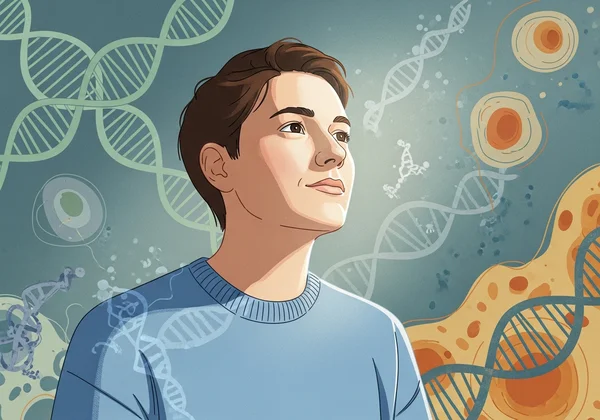
To understand how childhood adversity affects your body, we first need to look at a field called epigenetics. Think of your DNA as a massive library of instruction books. Epigenetics is like the collection of sticky notes and highlighters that tell your body which instructions to read, which to ignore, and how loudly to read them.
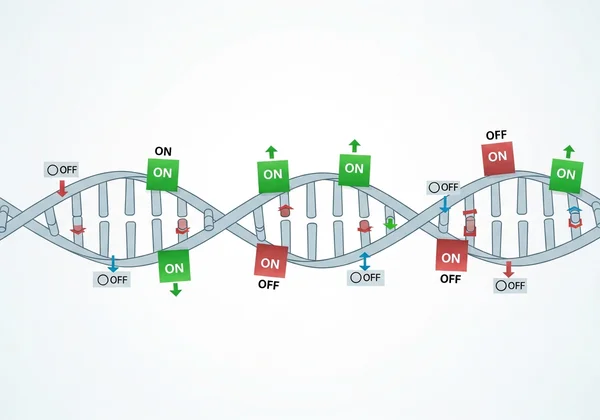
These epigenetic markers don’t change your DNA sequence itself. Instead, they sit on top of your DNA and act like switches, turning genes on or off in response to your environment. Experiences like stress, diet, and exposure to toxins can all leave these epigenetic marks. This is the key mechanism through which childhood trauma can have lasting biological effects.
Beyond DNA: How Environment Switches Genes On and Off
Your genetic code is the blueprint for your body, but it’s not a fixed destiny. Epigenetic changes, such as DNA methylation and histone modification, are the processes that control how that blueprint is used. During childhood, when the brain and body are developing rapidly, you are especially sensitive to these environmental signals.
Significant or prolonged stress during these formative years can cause certain epigenetic changes to occur. For example, genes related to the stress response system might be permanently left in the "on" position. This can lead to a state of chronic alert, which has wide-ranging effects on your physical and mental health. This is how experiences become biology, translating what happened to you into how your body functions today.
The ACE Study's Biological Legacy: 20 Years of Research Findings
The original Adverse Childhood Experiences (ACE) Study, a groundbreaking collaboration between the CDC and Kaiser Permanente, was the first to draw a clear line between childhood adversity and adult health problems. For over two decades, follow-up research has built on this foundation, digging deeper into the biological "how."
This research has provided concrete evidence for the dose-response relationship first identified in the ACE Study: the higher the ACE score, the greater the risk for various health issues. Scientists have used this data to identify the specific biological pathways that are disrupted by early trauma. This has shifted our understanding from simply knowing that a connection exists to understanding how it happens at the cellular level.
Cellular Changes Linked to Your ACE Score
Your ACE score provides a rough measure of your exposure to childhood adversity. Research now shows this score often correlates with specific, measurable changes inside your cells. These are not abstract concepts; they are real biological markers that can be observed in a lab.
Understanding these cellular changes helps explain why a high ACE score is linked to so many different health outcomes. It’s because the effects of toxic stress are not confined to one part of the body. Instead, they can impact fundamental processes like cellular aging, immune function, and the very expression of your genes.
Telomere Shortening: The Cellular Clock of Stress
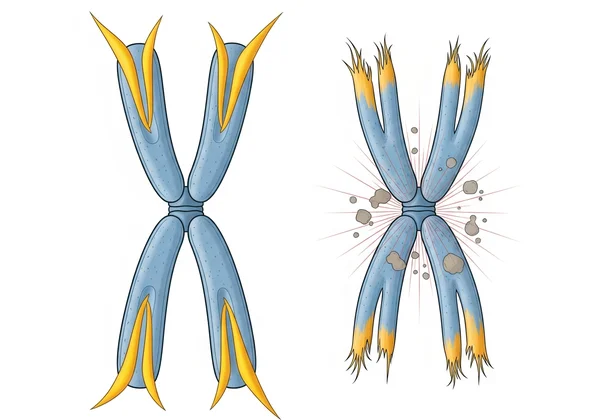
At the end of each of your chromosomes are protective caps called telomeres. You can think of them like the plastic tips on your shoelaces that prevent them from fraying. Every time a cell divides, these telomeres get a little bit shorter. Their length is therefore seen as a marker of cellular aging.
Research shows a clear connection: high stress levels, especially from childhood adversity, lead to faster telomere shortening. When you experience chronic stress, your body releases hormones like cortisol that can increase oxidative stress, a process that damages cells and wears down telomeres faster. Shorter telomeres are associated with an earlier onset of age-related diseases, showing how childhood stress can literally speed up the aging process at a cellular level.
Inflammation Markers: How ACEs Prime Your Immune System
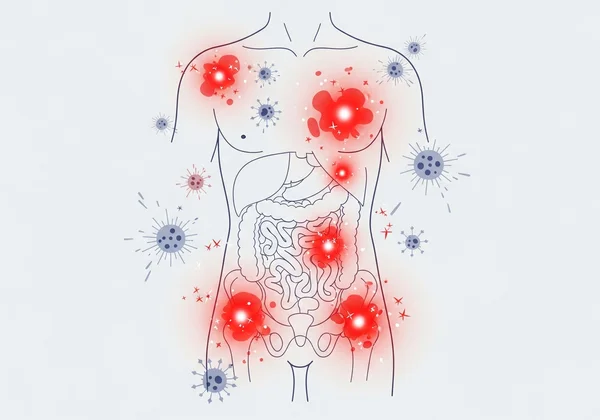
Inflammation is your body's natural response to injury or infection. It’s a healthy and necessary process in the short term. However, chronic psychological stress from adverse childhood experiences can trick your immune system into a state of constant, low-grade inflammation.
Research shows that adults with higher ACE scores often have elevated levels of inflammatory markers in their blood, such as C-reactive protein (CRP). This chronic inflammation is a major risk factor for a wide range of conditions, including heart disease, diabetes, and autoimmune disorders. It’s as if the body's alarm system, activated in childhood, never fully shuts off. Taking an ACE trauma test can be the first step to understanding if this might be a factor in your own health.
Gene Expression Changes: When Childhood Stress Alters Your Genetic Blueprint
As we discussed with epigenetics, early trauma can alter which of your genes are expressed. One of the most studied examples involves the gene that regulates the stress response system, known as NR3C1. This gene has a receptor that helps the body manage cortisol levels.
In individuals who experienced significant childhood adversity, epigenetic changes can make this gene less active. As a result, the body becomes less efficient at shutting down the stress response after a threat has passed. This leads to prolonged exposure to stress hormones, contributing to anxiety, depression, and the physical health issues linked to chronic stress. Your past doesn't change your genes, but it can change how they work for the rest of your life.
ACE Score Biology: The Health Implications
The cellular changes caused by childhood trauma are not just interesting scientific facts; they have profound and practical implications for your lifelong health. The biological shifts in your cells, immune system, and brain create a foundation that can increase your vulnerability to a variety of physical and mental health conditions later in life.
Knowing your ACE score is a powerful piece of personal health information. It helps you and your healthcare providers understand your potential risks, allowing for more informed and proactive health management. It's about connecting the dots between your life story and your health story.
How High ACE Scores Increase Chronic Disease Risk
The connection between a high ACE score and chronic disease is one of the most important findings of the ACE Study. The chronic inflammation, hormonal dysregulation, and cellular aging associated with toxic stress directly contribute to the development of many of the leading causes of death in adults.
For example, the constant inflammatory state increases the risk of heart disease and stroke. The metabolic changes can lead to type 2 diabetes and obesity. This is why understanding your ACE score meaning is so vital—it provides a lens through which to view your health risks and empowers you to take preventative action.
The Brain-Body Connection: ACEs and Neurological Health
The brain is especially vulnerable to early life stress. This is because childhood and adolescence are periods of rapid development. During this time, the brain builds neural circuits that control emotions, learning, and decision-making. Toxic stress can disrupt this delicate construction process.
This can lead to structural and functional changes in key brain areas like the prefrontal cortex, amygdala, and hippocampus. These changes are linked to a higher risk for depression, anxiety disorders, and post-traumatic stress disorder (PTSD). It highlights that mental health conditions are not a sign of weakness, but can be a biological response to overwhelming early experiences.
Metabolic Changes: Why Childhood Trauma Affects Weight and Metabolism
Have you ever struggled with weight or metabolic issues that seem resistant to diet and exercise? The biology of your ACE score might hold a clue. Long-term exposure to cortisol can disrupt your metabolism in several ways. It increases appetite, particularly for high-calorie foods. It also promotes dangerous visceral fat storage and interferes with insulin regulation. These metabolic changes demonstrate how the body's survival response to childhood stress can have long-term consequences for your physical health.
Understanding Your Biological ACE Story
While our cells carry memories of our past experiences, they also hold remarkable potential for healing and growth. The science of epigenetics and ACE test biology gives us a powerful new understanding of how our experiences shape our health. More importantly, it shows us that many of these biological changes are not necessarily permanent.
When you take our free ACE test, you're doing more than just getting a score. You're gaining insight into your personal biological story. With this insight, you can approach healthcare conversations with greater clarity and seek support that addresses the deeper roots of your health concerns. Taking the test is the first step toward understanding the complete story of how your past has shaped your present, and how you can shape a healthier future.
Frequently Asked Questions About ACE Score Biology
How does my ACE score actually affect my cells?
Your ACE score is a tally of specific stressful experiences. High levels of stress from these experiences trigger the release of hormones like cortisol. Over time, this "toxic stress" can cause cellular aging (telomere shortening), create chronic low-grade inflammation, and alter your gene expression through epigenetic changes. These cellular-level effects are what link your ACE score to long-term health risks.
Can epigenetic changes from childhood trauma be reversed?
This is an exciting and hopeful area of research. While we can't change our DNA, evidence suggests that some epigenetic marks can be influenced or even reversed. Positive interventions like therapy, mindfulness, consistent exercise, and a healthy diet can create new signals for your body. These positive experiences can help regulate your stress response and may promote healthier gene expression over time, demonstrating the brain and body's remarkable capacity for healing.
Is there a correlation between ACE score and autoimmune diseases?
Yes, a significant correlation has been found. The chronic inflammation associated with a high ACE score can cause the immune system to become dysregulated. In some people, this may lead the immune system to mistakenly attack the body's own healthy tissues, resulting in autoimmune diseases like rheumatoid arthritis, lupus, or multiple sclerosis. Understanding your history can be an important piece of the puzzle when managing autoimmune conditions.
How does the ACE study connect to modern epigenetic research?
The original ACE Study identified the powerful what—that childhood adversity is linked to adult illness. Modern epigenetic research is now explaining the how. It provides the biological mechanism that connects the experiences tallied in an ACE assessment test to the health outcomes observed decades later. Epigenetics is the bridge that connects our life story to our cellular biology, validating the profound impact of our earliest environments.